03Payments
What Actually Happens in the Two Seconds After You Tap a Card
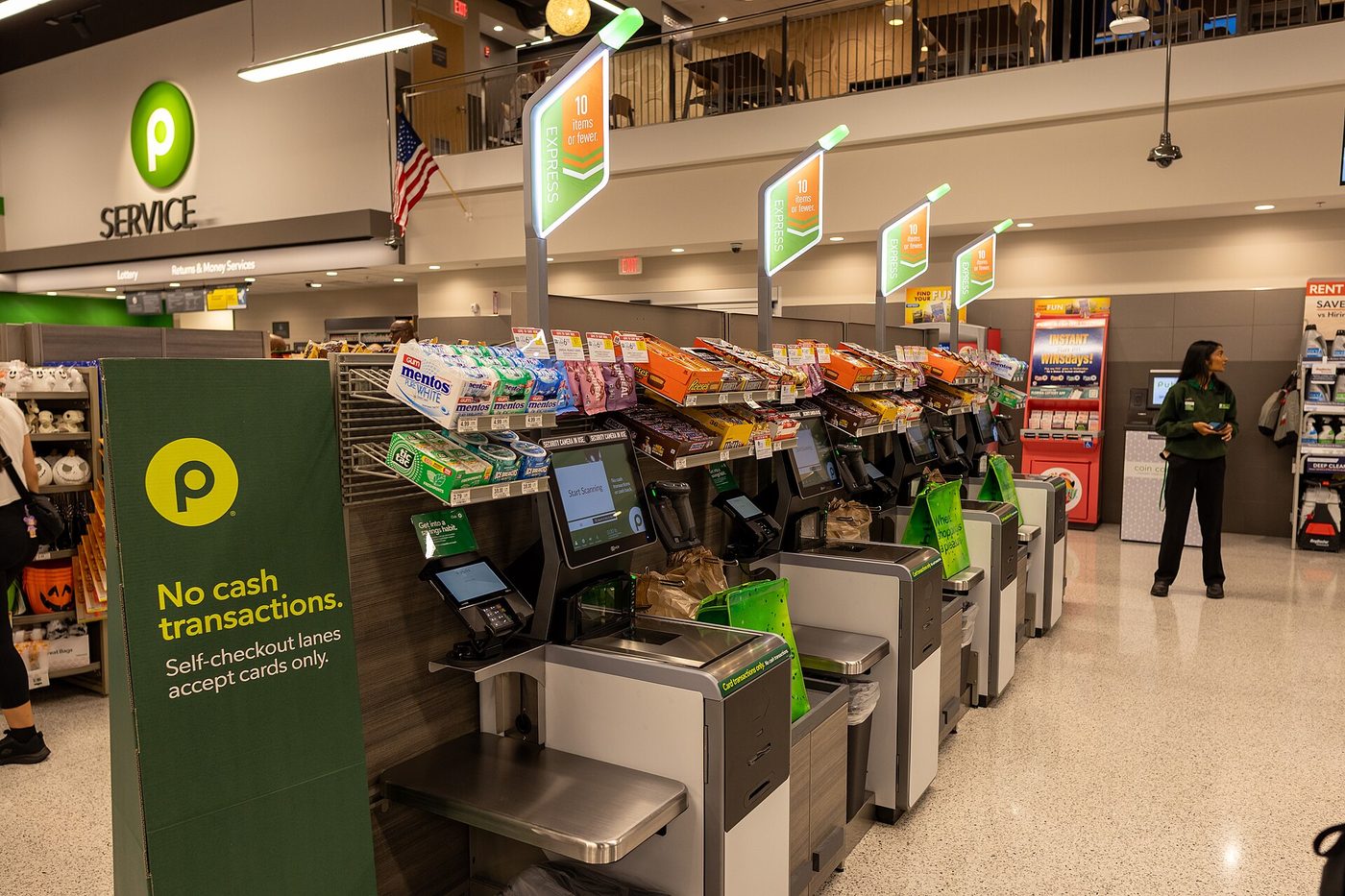
It feels like one thing: you tap your card, the terminal pings, and you're done. But the exchange is really three things, happening in quick sequence:
What’s in this piece
It feels like one thing: you tap your card, the terminal pings, and you're done. But the exchange is really three things, happening in quick sequence:
- The merchant authorizes the tap through its acquirer.
- Clearing transmits transaction details later, including adjustments.
- Payment moves to the merchant's account, typically a few days later.
The fonts flashing "approved" in green text do not mean you paid the merchant. It means the issuer and acquirer agreed the tap was real, the card was valid, and the account had enough credit to let the transaction go through. The final, monetary exchange happened later.
The three-step model
An approval message is not a payment. It's the first step in what really happens after a card tap. It is authorization, followed by clearing, followed by settlement.
Authorization is when the merchant sends a request through its acquirer and the card network, forwarding it to the bank that issued the card.
"Authorization does not involve any party making a payment, providing an instruction to make a payment, or otherwise attempting to make a payment," according to Mastercard in a recent filing. "Neither the issuer nor the merchant is making any payment or paying any amount to anyone at the time of authorization."
Authorization checks that your card is valid, the details haven't been reported as stolen, and there is sufficient credit or funds to make the purchase. The response comes in seconds.
Clearing is the next step.
"Clearing follows authorization and transmits transaction-related information from an acquirer to an issuer to support post-to-customer-account processes, including the posting of returns, price adjustments, and fee adjustments." This process links authorization to settlement, according to Mastercard.
Clearing does not move funds, according to Mastercard. Neither clearing nor authorization represent a final record of the transaction by the merchant or the card issuer.
Payment actually happens at the third step, settlement, "which represents the point at which a party makes a payment, provides an instruction to make a payment, or otherwise attempts to make a payment."
Funds typically arrive in the merchant's bank account within a few business days after a tap in the major US networks. Mastercard performs settlements for its issuing member banks, as well as for acquirers.
Who touches the message
Between the tap and the approval text at the register, a lot happens. Here is a typical path for a Mastercard:
- The merchant sends an authorization request via a gateway or terminal.
- An acquirer handles the request, sometimes choosing an issuer in order to get a higher interchange fee.
- The acquirer bundles the request and sends it to the Mastercard network,.
- The network routes the authorization request to the issuing bank, using a token or path code in place of your account number.
- The issuer declines or approves the authorization request.
- The merchant's terminal lights up with an approval or decline code.
"During the authorization process... the issuer is verifying that the card is active and that the cardholder has available credit or funds to pay for the transactions in question," the payment platform Braintree explains in its authorization-basics guide. "The merchant's business bank is not involved in this stage, and, critically, no money has changed hands yet."
Additionally, most decline reasons are never seen by the merchant. Authorizations can arrive with response codes from the network or processor, but not the issuer's reason for decline.
CyberSource's documentation includes categories such as "ISSUER_WILL_NEVER_APPROVE," but the actual decline code is a three-digit number. A "05" is "Do Not Honor," but which reason the issuer actually chose is not part of the merchant's report.
"Merchants typically do not see the decline code that accompanies a declined authorization request," CyberSource explains in a 2025 document. "They are told whether approval was granted, without the additional reasoning reasoning attached."
What a decline actually means
Approval determines whether or not the money moved, but declined transactions may still involve later credit or settlement:
"Declines are not a final statement on the matter," Braintree says. The merchant may ask the cardholder for a different card, or the transaction may go through later as card-on-file. After an initial decline, "You’ll need to see the Signatures status to be sure the transaction isn't going to be authorized later."
The merchant is trained to only treat a decline as truly declined if it sees a 2000 response code, meaning the processor made the decision and will reject the transaction later.
Why the money moves later
The merchant may not know the card was clearly declined, since the issuer decline code never appeared in the response. They may simply see no approval and conclude they tried the correct card but the transaction did not go through.
Merchants can also manually select to post or settle a transaction. In Visa terminology, "capturing" (or "posting") is not the same as settlement,.
The settling bank is a key figure in the stage at which payment actually happens. It is an indirect connection the acquirer or merchant does not see directly. Mastercard's settlement bank performs the settlement function for Mastercard-branded products, the company says.
Merchant settlement is calculated later.
Money does not move at the authorization stage, because authorization only verifies that the card is potentially valid and sufficient funds exist, according to the Federal Reserve Bank of Philadelphia.
"At authorization, the merchant is allowed to decide whether to ship the goods immediately because it has been assured that there is a valid card and that the credit limit or the checking account has available funds to cover the purchase."
The merchant captured and settled the transaction before that can happen, so debit is the default settlement period after authorization.
Clearing comes after authorization, but before settlement, when no bank-to-bank debit is performed, the Philadelphia Fed also explains. "At this stage, all information about each card transaction is provided to the issuer by the acquiring bank for use in compiling the next settlement." This information is not a payment. No money moves at this stage.
"It is a nonmonetary process whereby banks exchange detailed information about card transactions and settlement positions in order to reconcile the two," explain authors at the Philadelphia Fed.
"After authorization but before settlement, the account is adjusted only if the transaction details change, as happens with adjustments or credits."
The settlement step is when payment moves to match the authorized amount.
"The settlement process involves normal banking rules and practices," the authors observe. It "transmits information about actual transactions, and the settlement exchange involves the actual transfer of money between banks on behalf of their merchant and cardholder clients."
These steps, while distinct, happen in quick succession. The merchant's terminal shows approval before the merchant has even begun inherently non-monetary clearing and, crucially, before posting to the cardholder's account and settling the funds occurs.
The product implication
Authorization, clearing, and settlement are the paths of the transaction, which means they are also paths to product planning and merchant experience.
The green approval lighting up on the terminal is the merchant's strongest indicator that money is on the way, but not evidence of a payment: the settlement has not happened yet.
Reporting declines, or tracking authorization numbers while waiting for settlement, can require transaction IDs only visible in the merchant's dashboard, never to the customer. They may indicate the point at which a steady flow of linked authorization-to-capture-and-settlement transactions has begun to include declines, indicating fraud risk, more volume, or card-not-present issues.
Capture and settlement are also the keys to ordering fees and ensuring correct charges on the account: transaction receipts that merchants preserve to match against authorization. This process is typically invisible to both the customer and the merchant, handled by the merchant and the merchant's processor.
"Merchants typically deploy or control the point-of-sale terminal or point-of-sale software," the Philadelphia Fed explains.
"Allowing merchants... rather than banks to directly control a step in the transaction process can result in more timely, accurate, and complete information being sent to the banks."
Merchants receive authorization in seconds, but only receive settlements, typically, a few days or so after the authorization stage. The bulk of the work happens by the time the customer leaves the checkout, never to be seen again by either customer or merchant.
"In general, the card networks aim to ensure settlements are final within 24-48 hours."
- 01Payments
Track Ethereum's USD Price: Real-Time Charts and Data
Cryptocurrencies have been the talk of the town since the emergence of Bitcoin in 2009. In recent years, Ethereum has been gaining popularity and market share,…

- 02Payments
How Ethereum Is Transforming the Gambling Industry
Blockchain technology has transformed the manner in which online gambling is being carried out. In the past, users could only access fiat-currency-based casinos…

- 03Payments
Will Cryptocurrencies Replace Other Payment Means in Sports Betting?
The sports betting sector has experienced some groundbreaking technological advancement. The innovation of the latest technologies has enabled sports betting app…
- 04Payments
How to Pay in Crypto Casinos
Before you subscribe to any crypto casino (Bitcoin, Ethereum, and so on), the first thing to have is a compatible crypto wallet . There are many online promotions…
